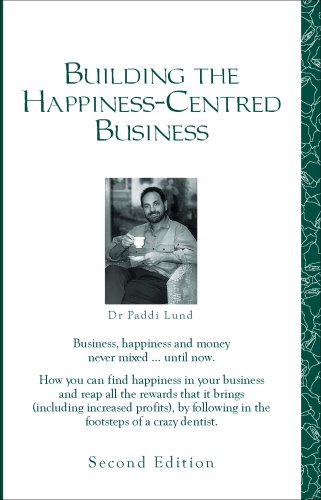
“Building the Happiness-Centered Business” by Puddi Lund
Who is it for?for those that believe happiness is an essential component of success
Padi Lund’s “The Happiness-Centred Business” is an insightful and refreshing take on modern business practices. The book posits that the key to a successful and sustainable business lies not solely in financial metrics, but in creating a happiness-centred approach. This concept revolves around the idea that prioritising the well-being and satisfaction of both employees and customers can lead to increased productivity, loyalty, and ultimately, business success.
Lund draws from various research studies and personal experiences to illustrate how happiness can be a driving force in the business world. The book covers a range of topics, from creating a positive company culture and fostering employee engagement to customer satisfaction and corporate social responsibility. Lund’s engaging writing style, combined with practical advice and real-world examples, makes the book an enjoyable and valuable read for business owners, managers, and anyone interested in organisational development.
However, implementing the principles outlined in “The Happiness-Centred Business” can be challenging. The primary obstacle for readers is shifting from a traditional profit-centric business mindset to one that places happiness at the core. This shift requires not only a change in business strategies but also a cultural shift within the organisation. Leaders must navigate changing long-standing practices and beliefs, which can be met with resistance from different stakeholders.
Another challenge is measuring the impact of happiness on business success. While financial metrics are concrete and quantifiable, assessing the direct impact of happiness and well-being initiatives on a business’s bottom line can be more complex. Readers might struggle to quantify the return on investment in happiness-centric practices, making it challenging to justify these changes in environments that are heavily focused on traditional metrics of success.
In summary, “The Happiness-Centred Business” offers a compelling argument for rethinking conventional business practices. Lund’s approach is both humane and forward-thinking, advocating for a business model where happiness is an essential component of success. The challenge for readers lies in embracing and effectively implementing this happiness-centric approach within the existing frameworks of their businesses. For those willing to undertake this transformation, the book provides a roadmap to building a more fulfilling, sustainable, and successful business.